



바이메탈 온도 조절기 회로 차단기는 어떻게 작동하며 올바른 것을 어떻게 선택합니까?

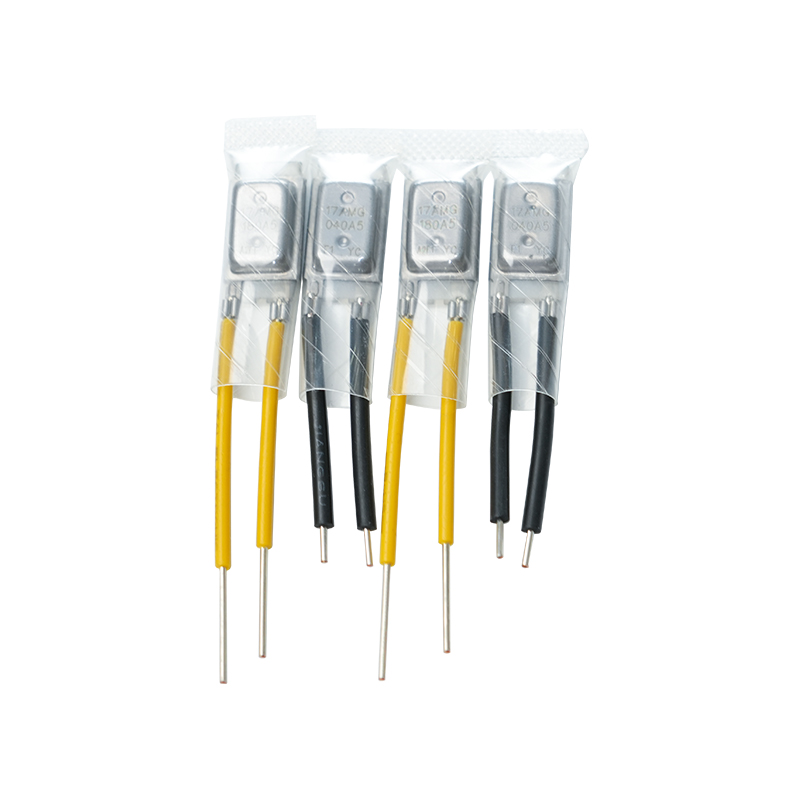
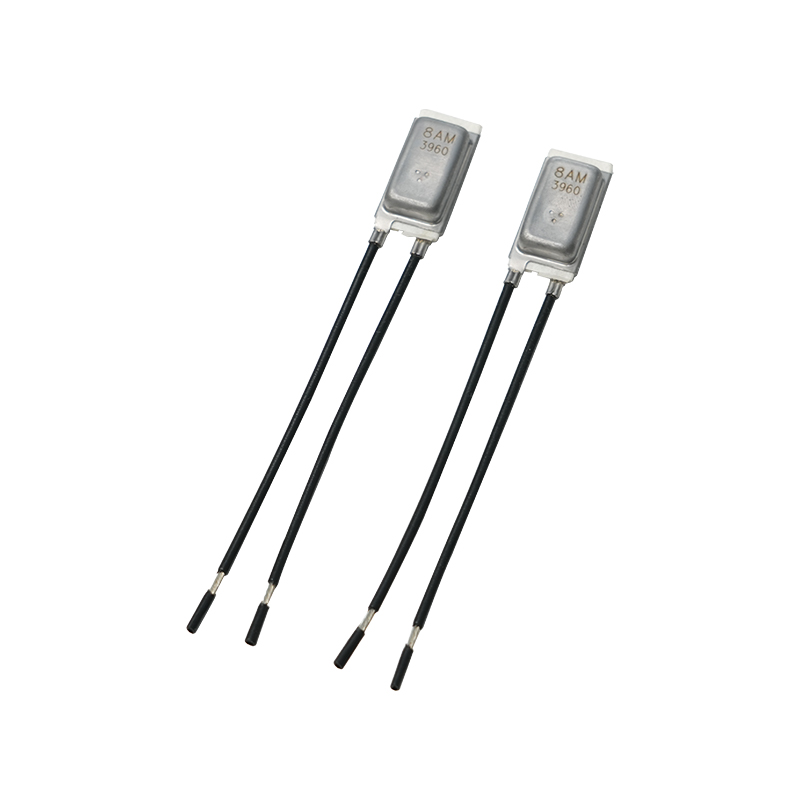
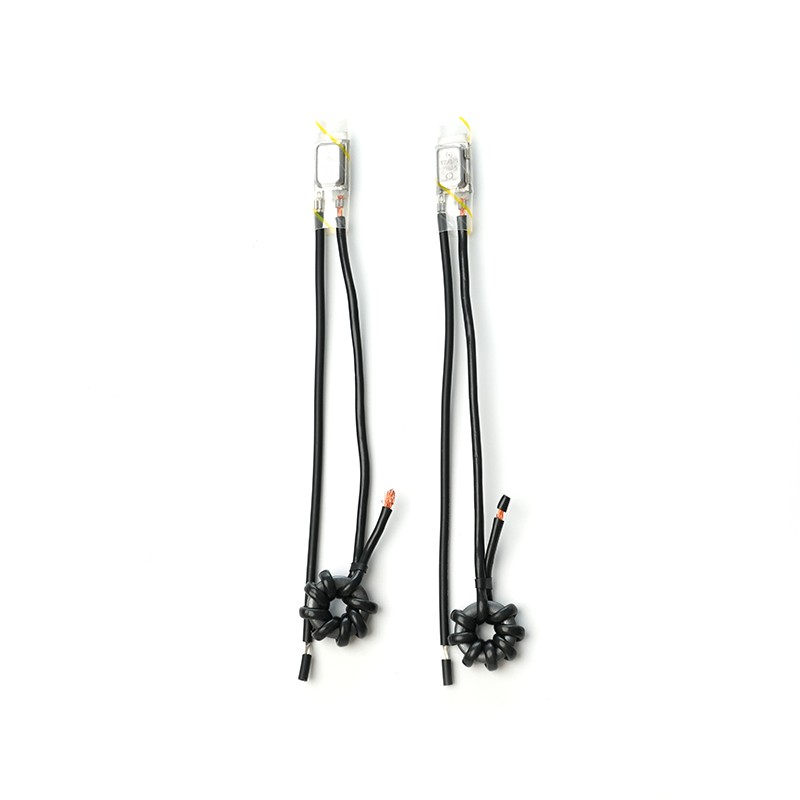
는 바이메탈 온도 조절기 회로 차단기 전기 공학 분야에서 가장 간단하고 실질적으로 신뢰할 수 있는 과전류 보호 장치 중 하나입니다. 바이메탈 요소의 온도 감지 기능과 기계식 스위치의 회로 차단 기능을 단일 소형 구성 요소에 결합하여 지속적인 과전류 상태(순간적인 단락 오류가 아닌 점진적인 열 축적을 통해 모터, 배선 및 전기 제품을 손상시키는 과부하 유형)로부터 자동 보호 기능을 제공합니다. 이 장치의 작동 방식, 서로 다른 유형과 정격을 구별하는 방법, 특정 응용 분야에 올바른 사양을 일치시키는 방법을 정확하게 이해하는 것은 광범위한 산업, 상업 및 소비자 장비에서 이러한 장치를 접하는 전기 엔지니어, 제품 설계자, 가전 제품 제조업체 및 유지 관리 전문가에게 기본적인 지식입니다.
는 Bimetallic Element: The Physics Behind the Protection
는 operating principle of a bimetal thermostat circuit breaker is rooted in a straightforward but highly reliable physical phenomenon: when two metals with significantly different coefficients of thermal expansion are bonded together along their length, the composite strip bends when heated because the higher-expansion metal elongates more than the lower-expansion metal, forcing the bonded assembly to curve toward the lower-expansion side. This bending motion — directly proportional to the temperature rise of the strip — is the mechanism that actuates the circuit breaker's trip mechanism.
바이메탈 온도 조절기 회로 차단기에서 바이메탈 스트립은 전류 전달 도체와 온도 센서 역할을 동시에 수행합니다. 스트립을 통해 전류가 흐르면 금속의 전기 저항이 열을 발생시킵니다. 이는 줄의 법칙(P = I²R)에 설명된 현상입니다. 정상적인 작동 전류에서는 발생된 열이 심각한 굽힘을 유발할 만큼 충분하지 않으며 스트립은 회로 접점이 닫힌 상태에서 자연스러운 위치를 유지합니다. 모터 과부하, 권선 부분 단락 또는 소형 도체 상태에서 발생하는 것처럼 전류가 지속 기간 동안 정격 값을 초과하면 축적된 열로 인해 스트립이 트립 위치를 향해 점진적으로 구부러집니다. 편향이 메커니즘에 설계된 지점에 도달하면 스트립은 회로를 열어 전류 흐름을 차단하고 연결된 장비를 열 손상으로부터 보호하는 스냅 동작 접촉 메커니즘을 작동합니다.

는 thermal mass of the bimetallic element — its ability to absorb heat before reaching the trip temperature — is deliberately designed to give the device an inverse time-current characteristic: at moderate overloads (for example, 125% of rated current), the device takes minutes to trip, allowing brief overloads such as motor starting inrush to pass without nuisance tripping; at severe overloads (200% or more of rated current), the device trips in seconds, providing more urgent protection proportional to the severity of the overload. This inverse time behavior is the defining characteristic of thermal overload protection and is what distinguishes bimetal thermostat circuit breakers from purely instantaneous magnetic circuit breakers that trip only on high-magnitude short-circuit faults.
바이메탈 온도 조절기 회로 차단기 구성
바이메탈 온도 조절기 회로 차단기는 크기, 전류 정격 및 접점 구성이 상당히 다양하지만 주요 기능 구성 요소는 제품 범주 전반에 걸쳐 일관되며 이를 이해하면 장치 작동 방식과 장치의 서비스 수명 동안 마모 및 고장에 가장 취약한 구성 요소가 무엇인지 명확해집니다.
바이메탈 스트립 어셈블리
는 bimetallic strip is typically manufactured by roll bonding or cladding two alloy strips — the high-expansion layer commonly using a nickel-manganese or nickel-chromium alloy, and the low-expansion layer commonly using an iron-nickel alloy such as Invar (36% nickel, 64% iron, with a very low thermal expansion coefficient). The bonded composite is then formed, punched, or machined into the specific shape required for the circuit breaker's trip mechanism geometry. The strip's dimensions — thickness, width, and free length between the fixed mounting point and the contact actuation point — determine the trip temperature at a given current level. Thicker, wider strips have higher thermal mass and trip more slowly at a given overload; longer strips produce greater deflection per degree of temperature rise, potentially allowing more precise trip point calibration.
연락 시스템
는 electrical contacts that open when the bimetallic strip trips must withstand repeated make-and-break operations under load without excessive contact erosion, welding, or increased contact resistance that would cause nuisance tripping or failure to interrupt. For bimetal thermostat circuit breakers in low to medium current applications (up to approximately 30 amperes), silver alloy contacts — most commonly silver cadmium oxide or the more environmentally preferred silver tin oxide — provide the combination of low contact resistance, arc erosion resistance, and resistance to contact welding that sustained service life requires. The contact geometry — typically a moving contact arm spring-loaded against a fixed contact — creates a wiping action during opening that clears oxidation films and maintains consistent contact resistance over thousands of operation cycles.
재설정 메커니즘
바이메탈 온도 조절기 회로 차단기가 작동한 후 바이메탈 스트립이 충분히 냉각되어 편향되지 않은 위치로 돌아가고 접점이 다시 닫힐 수 있을 때까지 회로는 열린 상태로 유지됩니다. 자동으로 또는 장치의 재설정 유형에 따라 수동 개입을 통해 접점이 다시 닫힐 수 있습니다. 수동 재설정 장치에서는 작업자가 스트립이 냉각된 후 재설정 버튼을 누르거나 전환해야 하므로 전력 복원 전에 과부하 원인을 조사하도록 의도적인 중단을 제공합니다. 자동 재설정 장치는 작업자 개입 없이 스트립이 냉각되면서 접점을 다시 닫습니다. 열 차단 후 자동 재시작이 작동상 바람직한 모터 보호와 같은 응용 분야에 유용하지만, 과부하 상태가 지속될 경우 과부하 트립 후 장비의 자동 재시작으로 부상이나 장비 손상이 발생할 수 있는 응용 분야에서는 잠재적으로 위험할 수 있습니다.
주요 사양 및 의미
특정 응용 분야에 맞는 바이메탈 온도 조절기 회로 차단기를 선택하려면 장치의 전기적 성능, 열 특성 및 응용 분야 요구 사항과의 물리적 호환성을 집합적으로 정의하는 일련의 사양을 평가해야 합니다. 다음 표에는 가장 중요한 매개변수가 요약되어 있습니다.
| 사양 | 일반적인 범위 | 그것이 결정하는 것 |
| 정격전류(In) | 0.5 – 30A(일반) | 트리핑 없는 최대 연속 전류 |
| 정격전압(Ue) | 12~480V AC/DC | 접점이 안전하게 차단할 수 있는 최대 회로 전압 |
| 트립 전류 임계값 | 인의 110% – 150% | 최종 트립을 유발하는 최소 과부하 수준 |
| 인터럽트 용량(Icu) | 50 – 10,000A | 장치가 안전하게 차단할 수 있는 최대 오류 전류 |
| 주변 온도 범위 | -25°C ~ 85°C | 운영 환경 제한 여행 보정에 영향을 미칩니다 |
| 재설정 유형 | 수동/자동 | 운행 후 운전자 개입이 필요한지 여부 |
| 극 구성 | 1극, 2극, 3극 | 보호되는 회로 도체 수 |
| 기계적 수명 | 1,000 – 10,000 작업 | 교체가 필요하기 전 트립-리셋 주기 횟수 |
는 interrupt capacity specification deserves particular attention. Bimetal thermostat circuit breakers are thermal protection devices optimized for overload conditions, not for high-magnitude short-circuit fault interruption. Their interrupt capacity — the maximum fault current at which the contacts can safely open without contact welding, explosive arcing, or device destruction — is substantially lower than that of molded case circuit breakers (MCCBs) designed for short-circuit protection. In systems with high available fault current, a bimetal thermostat circuit breaker must be installed in series with a upstream current-limiting fuse or MCCB rated for the full available fault current, so that the upstream protective device clears high-magnitude faults before the bimetal device is required to interrupt them. Failing to account for the interrupt capacity limitation of bimetal thermostat circuit breakers in high fault-current systems is a serious safety and compliance error.
주변 온도 보상과 그 중요성
바이메탈 스트립의 트립 동작은 열에 의해 구동되므로 주변 온도는 장치의 트립 특성에 직접적인 영향을 미칩니다. 주변 온도 25°C에서 특정 전류 레벨에서 트립되도록 보정된 장치는 뜨거운 환경(40°C 이상)에서 더 낮은 전류로 트립됩니다. 왜냐하면 추가 주변 열이 스트립을 예열하여 트립 지점에 도달하는 데 필요한 추가 온도 상승을 줄이기 때문입니다. 반대로, 추운 환경(10°C 미만)에서는 스트립과 트립 임계값 사이의 더 큰 온도 차이를 극복하기 위해 충분한 줄 가열을 생성하기 위해 동일한 장치에 더 높은 전류가 필요합니다. 이러한 주변 온도 민감도는 바이메탈 온도 조절기 회로 차단기의 기본 특성이며 결함이 아닙니다. 그러나 장치가 애플리케이션이 경험하게 될 전체 주변 온도 범위에 걸쳐 적절한 보호 기능을 제공하도록 애플리케이션 엔지니어링에서 이를 고려해야 합니다.
제조업체는 바이메탈 온도 조절기 회로 차단기의 경감 곡선을 게시하여 유효 트립 전류가 주변 온도에 따라 어떻게 변하는지 보여줍니다. 이는 일반적으로 각 온도에서 정격 트립 전류의 백분율로 표시됩니다. 예를 들어, 25°C에서 10A 정격의 장치는 40°C에서 9.2A, 10°C에서 11.1A의 유효 트립 전류를 가질 수 있습니다. 장치가 밀봉된 인클로저 내부에 설치되는 애플리케이션(다른 구성 요소의 열로 인해 내부 주변 온도가 외부 주변 온도를 크게 초과하는 경우)은 외부 주변이 아닌 내부 인클로저 온도를 기준으로 이 등급을 적용해야 합니다. 인클로저 온도 상승을 무시하는 것은 연결된 장비의 정격 연속 부하 전류보다 낮은 전류에서 장치가 트립되어 정상 작동 중에 반복적으로 불필요한 트립을 일으키는 일반적인 오류입니다.
바이메탈 온도 조절기 회로 차단기의 일반적인 응용
바이메탈 온도 조절기 회로 차단기는 일반적으로 개별 회로의 기본 과전류 보호 장치 또는 대형 모터 제어 어셈블리 내의 모터 과부하 보호 요소로 매우 광범위한 전기 장비 범주에 걸쳐 배포됩니다. 독립형 작동(보호 기능에 외부 전원이 필요하지 않음), 컴팩트한 크기, 안정적인 열 반응이 결합되어 적절한 보호 성능과 함께 단순성, 신뢰성, 저렴한 비용이 우선시되는 응용 분야에 특히 적합합니다.
- 소형 모터 보호: 가전제품, 전동 공구, HVAC 팬 모터 및 소형 펌프의 분수마력 모터는 바이메탈 온도 조절기 회로 차단기의 가장 일반적인 응용 분야 중 하나입니다. 이 장치는 정지된 회전자 상태(모터가 회전하지 않고 연속적으로 회전자 고정 전류(일반적으로 정격 전류의 5~8배)를 끌어오는 경우)와 모터가 정격보다 높은 전류를 무기한 끌어들이게 하는 지속적인 기계적 과부하 중에 모터 권선을 열 손상으로부터 보호합니다.
- 가전제품 및 IT 장비: 컴퓨터, 통신 장비, 오디오 증폭기 및 가전 제품의 전원 공급 장치는 일반적으로 장비 후면 패널에서 푸시 버튼 재설정으로 액세스할 수 있는 바이메탈 온도 조절기 회로 차단기를 사용하여 1차 입력 퓨즈 전류 레벨을 초과하는 2차 회로 과부하로부터 보호합니다. 이러한 애플리케이션의 수동 재설정 기능을 사용하려면 사용자가 전원을 복원하기 전에 과부하 상태를 식별하고 수정해야 합니다.
- 해양 및 자동차 전기 시스템: 는 vibration resistance, self-resetting capability (in automatic reset variants), and compact size of bimetal thermostat circuit breakers make them widely used for branch circuit protection in marine electrical systems, recreational vehicles, and automotive accessory circuits where conventional fuses would require frequent replacement in high-cycle applications and where automatic recovery after a transient overload is operationally convenient.
- 발열체 보호: 온수기, 실내 난방기, 산업용 공정 히터 및 실험실 오븐의 전기 가열 요소는 바이메탈 온도 조절기 회로 차단기를 사용하며 때로는 별도의 자동 온도 조절 온도 조절기와 결합하여 기본 온도 제어 장치가 실패할 경우 가열 회로를 중단하고 히터가 안전한 작동 한계를 초과할 수 있도록 하는 백업 과열 보호 기능을 제공합니다.
- 조명 및 안정기 회로: 형광등 및 HID 조명 안정기, LED 드라이버 어셈블리 및 변압기 공급 조명 회로는 램프 고장, 배선 결함 또는 안정기 출력에서 과도한 전류를 끌어오는 잘못된 적용 램프 유형으로 인한 지속적인 과부하로부터 안정기 또는 변압기 권선의 과부하를 보호하기 위해 바이메탈 온도 조절기 회로 차단기를 사용합니다.
바이메탈 온도 조절기 회로 차단기와 관련 장치 비교
바이메탈 온도 조절기 회로 차단기가 다른 일반 보호 장치와 어떻게 관련되는지 이해하면 각 장치가 적절한 선택인지 명확해지고 일반적인 오용 오류를 방지할 수 있습니다.
| 장치 유형 | 보호 메커니즘 | 재설정 가능 | 최고의 응용 프로그램 |
| 바이메탈 온도 조절기 회로 차단기 | 는rmal (inverse time-current) | 예(수동 또는 자동) | 지속적인 과부하 보호; 모터 과부하 |
| 카트리지/블레이드 퓨즈 | 는rmal (fusible element melts) | 아니요(작업 후 교체) | 단락 및 고전압 과부하 |
| 자기 회로 차단기 | 전자기(순간) | 예(수동 재설정) | 단락 보호; 빠른 여행 애플리케이션 |
| 는rmal-Magnetic MCCB | 열자기 결합 | 예(수동 재설정) | 과부하 및 단락 모두; 더 높은 전류 |
| PTC 서미스터(재복구 퓨즈) | 저항 증가 제한 전류 | 예(냉각 시 자동) | PCB 수준 보호; 매우 낮은 전류 |
일반적인 오류 모드 및 문제 해결
바이메탈 온도 조절기 회로 차단기의 고장 모드를 이해하면 기존 설치 문제를 해결하고 새로운 애플리케이션에 적합한 서비스 수명을 가진 장치를 선택하는 데 도움이 됩니다. 이러한 장치는 일반적으로 매우 안정적이지만 잘못 적용되거나 노후된 설치에서는 예측 가능한 규칙적인 특정 오류 패턴이 나타납니다.
- 정상 부하에서 방해가 되는 트립: 는 most common complaint. Usually caused by: device ambient temperature higher than the calibration temperature due to enclosure heat buildup; current rating selected too close to the actual load current without adequate margin; or device aging — after thousands of trip-reset cycles, the bimetallic strip may develop residual curvature that shifts the effective trip threshold downward. Corrective action: verify enclosure ambient temperature, confirm actual load current, and replace aged devices showing calibration drift.
- 순정 과부하 시 트립 실패: 이전의 높은 고장 전류 중단으로 인한 접점 용접으로 인해 올바른 바이메탈 스트립 작동에도 불구하고 접점이 열리지 않는 경우 또는 바이메탈 스트립이 지속적인 과열로 인해 영구적으로 변형(설정)되어 트립 임계값이 위로 이동하는 경우에 발생합니다. 두 경우 모두 장치에 위험한 방향으로 오류가 발생하여 더 이상 지정된 보호 기능을 제공하지 않으므로 즉시 교체해야 합니다.
- 냉각 후 재설정 실패: 재설정 메커니즘에 대한 기계적 손상, 바이메탈 스트립이 편향되지 않은 위치로 돌아왔을 때에도 접점 분리를 방지하는 접촉 용접 또는 탄성 한계를 넘어 영구 트립 위치 세트로 스트립을 휘게 만든 극심한 과열로 인한 바이메탈 스트립의 영구 변형을 나타냅니다. 장치 교체 - 재설정할 수 없는 회로 차단기는 보호 기능과 회로 연속성을 제공하지 않습니다.
- 정격 전류에서 가열을 유발하는 접촉 저항 증가: 개방 시 반복적인 아크로 인한 점진적인 접점 침식(특히 열 트립이 빈번한 고주기 응용 분야)은 접점 저항을 증가시켜 정상 작동 전류에서 접점 자체가 열원이 되도록 합니다. 이는 접점 가열로 인해 부하 전류와 관계없이 추가로 불필요한 트리핑이 발생하는 자체 강화 가열 사이클을 생성할 수 있습니다. 닫힌 접점 전체의 전압 강하를 측정하여 감지할 수 있습니다. 접촉 드롭이 제조업체의 최대 사양을 초과하는 경우 장치를 교체하십시오.
실용적인 선택 체크리스트
기술 매개변수를 구조화된 선택 프로세스에 통합하면 가장 일반적인 사양 오류를 방지하고 선택한 바이메탈 온도 조절기 회로 차단기가 애플리케이션의 전체 작동 범위에 걸쳐 적절한 보호 기능을 제공하도록 보장합니다.
- 최대 연속 작동 전류를 설정하십시오. 이론적으로 연결된 부하가 아닌 최대 작동 조건에서 실제 부하 전류를 측정하거나 계산합니다. 모터 부하는 시동 중에 상당히 높은 돌입 전류를 소모합니다. 선택한 장치의 시간-전류 곡선이 모터의 회전자 잠김 전류 수준에서 보호 기능을 제공하면서 트립 없이 이러한 돌입을 허용하는지 확인하십시오.
- 적절한 여유가 있는 현재 등급을 선택하십시오. 는 device's rated continuous current should be at least 125% of the maximum continuous load current to prevent operation near the trip threshold under normal conditions. For motor applications, follow the applicable electrical code's motor overload protection sizing requirements, which specify the maximum allowable trip current as a percentage of motor full-load ampere rating.
- 사용 가능한 결함 전류에 대한 인터럽트 용량을 확인합니다. 설치 지점에서 사용 가능한 최대 단락 전류를 유틸리티 또는 시스템 연구에서 계산하거나 얻습니다. 이것이 바이메탈 온도 조절기 회로 차단기의 정격 인터럽트 용량을 초과하는 경우 분기 보호용 바이메탈 장치를 지정하기 전에 적절한 인터럽트 정격을 갖춘 직렬 업스트림 보호 장치를 제공하십시오.
- 주변 온도 감소 적용: 동일한 인클로저에 있는 다른 발열 장비의 온도 상승 기여도를 포함하여 장치 설치 위치에서 최악의 주변 온도를 식별하고 제조업체의 경감 계수를 적용하여 유효 트립 전류가 해당 온도의 부하에 적절하게 유지되는지 확인하십시오.
- 애플리케이션에 적합한 재설정 유형을 선택하십시오. 안전이나 프로세스 제어를 위해 운영자가 트립 이벤트를 인지하고 재시작 전 의도적인 개입이 중요한 애플리케이션의 경우 수동 재설정을 선택합니다. 무인 자동 복구가 안전하고 작동상 바람직한 애플리케이션의 경우 자동 재설정을 선택하여 열 차단 후 연결된 장비의 자동 재시작이 인력이나 프로세스에 위험을 초래하지 않는지 확인합니다.
는 bimetal thermostat circuit breaker remains, after more than a century of development and refinement, one of the most cost-effective and reliable thermal protection solutions in electrical engineering — precisely because its protection function derives from fundamental physics rather than complex electronics, requiring no external power, no control signal, and no programming to deliver consistent, calibrated overload protection throughout its service life. Applied correctly, with specifications matched to the load characteristics, ambient environment, fault current availability, and reset requirements of the application, it provides robust protection that is difficult to surpass at its price point in the small to medium current protection segment.



-
Tel:+86-515-88498139
-
Email:[email protected]
-
Phone:+86-13913681876
-
Add: 건물 C, No. 888 Huanhu West Second Road, Lingang New Area, 중국 (상하이) 파일럿 자유 무역 구역
